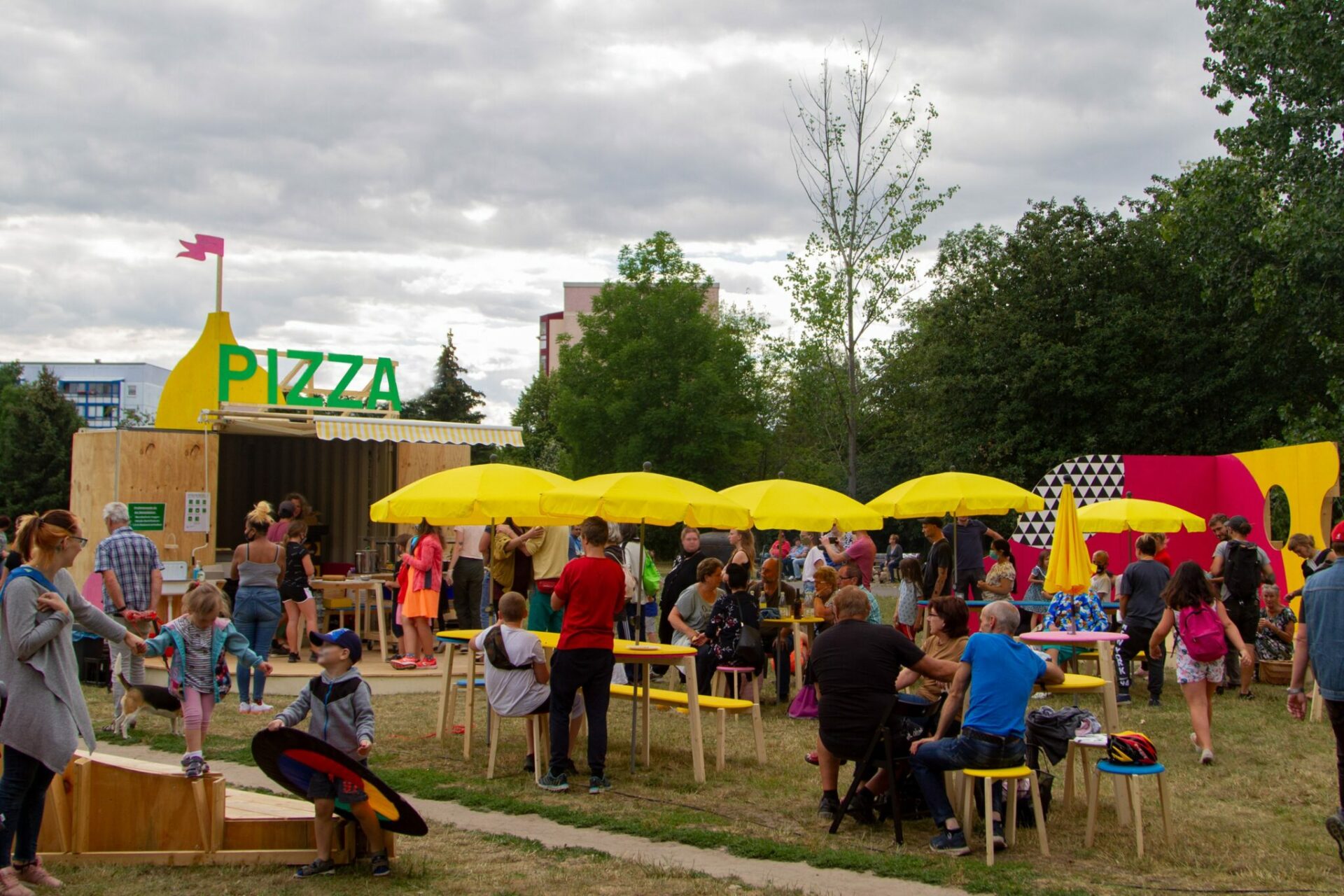
Bella Grünau in Leipzig
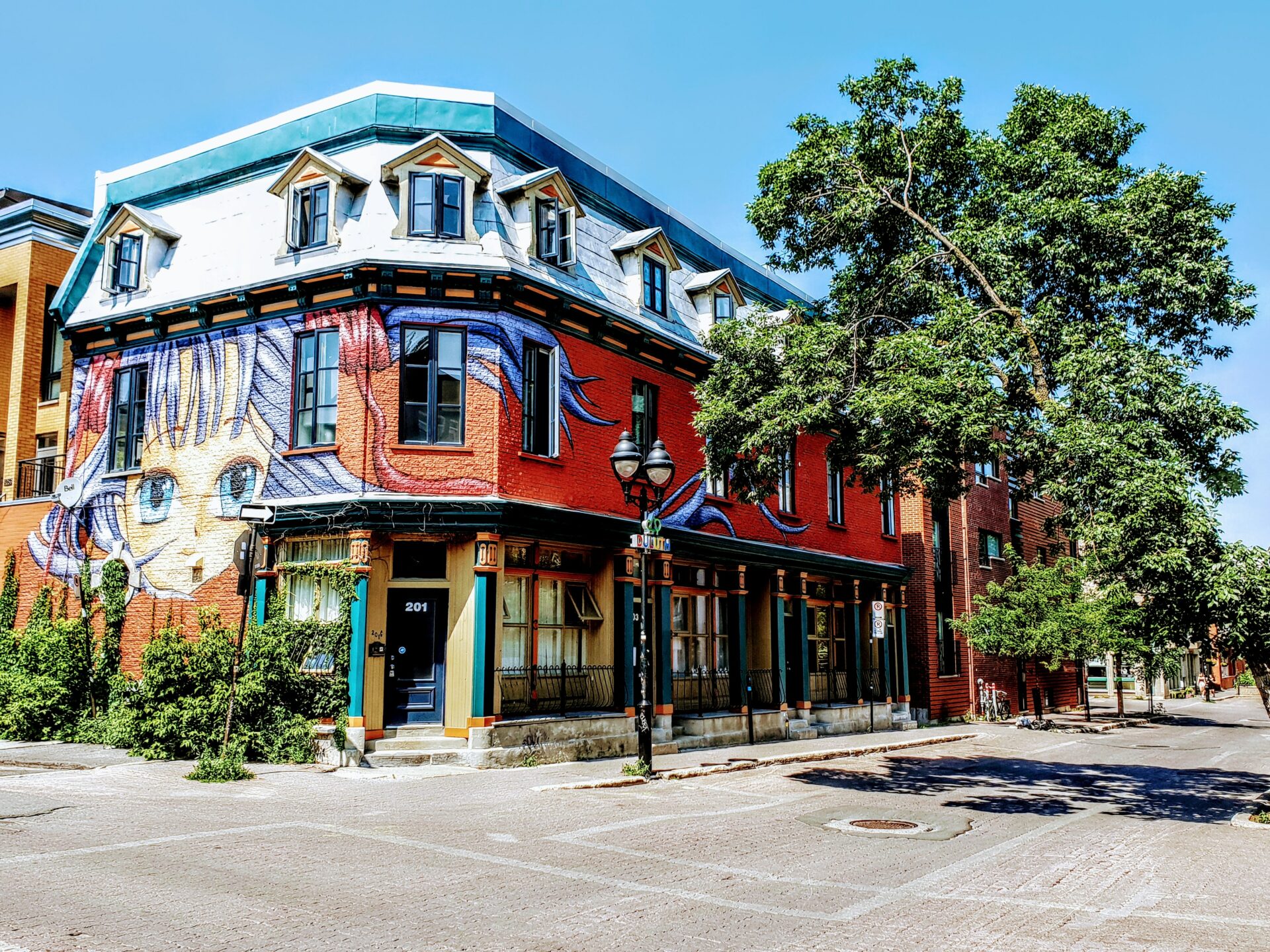
Oftentimes the price and scale of a project don’t have much to do with its impact. Case in point, a pop-up pizzeria became a driving force behind socio-cultural revitalisation in Leipzig’s Grünau housing estate.

Oftentimes the price and scale of a project don’t have much to do with its impact. Case in point, a pop-up pizzeria became a driving force behind socio-cultural revitalisation in Leipzig’s Grünau housing estate.
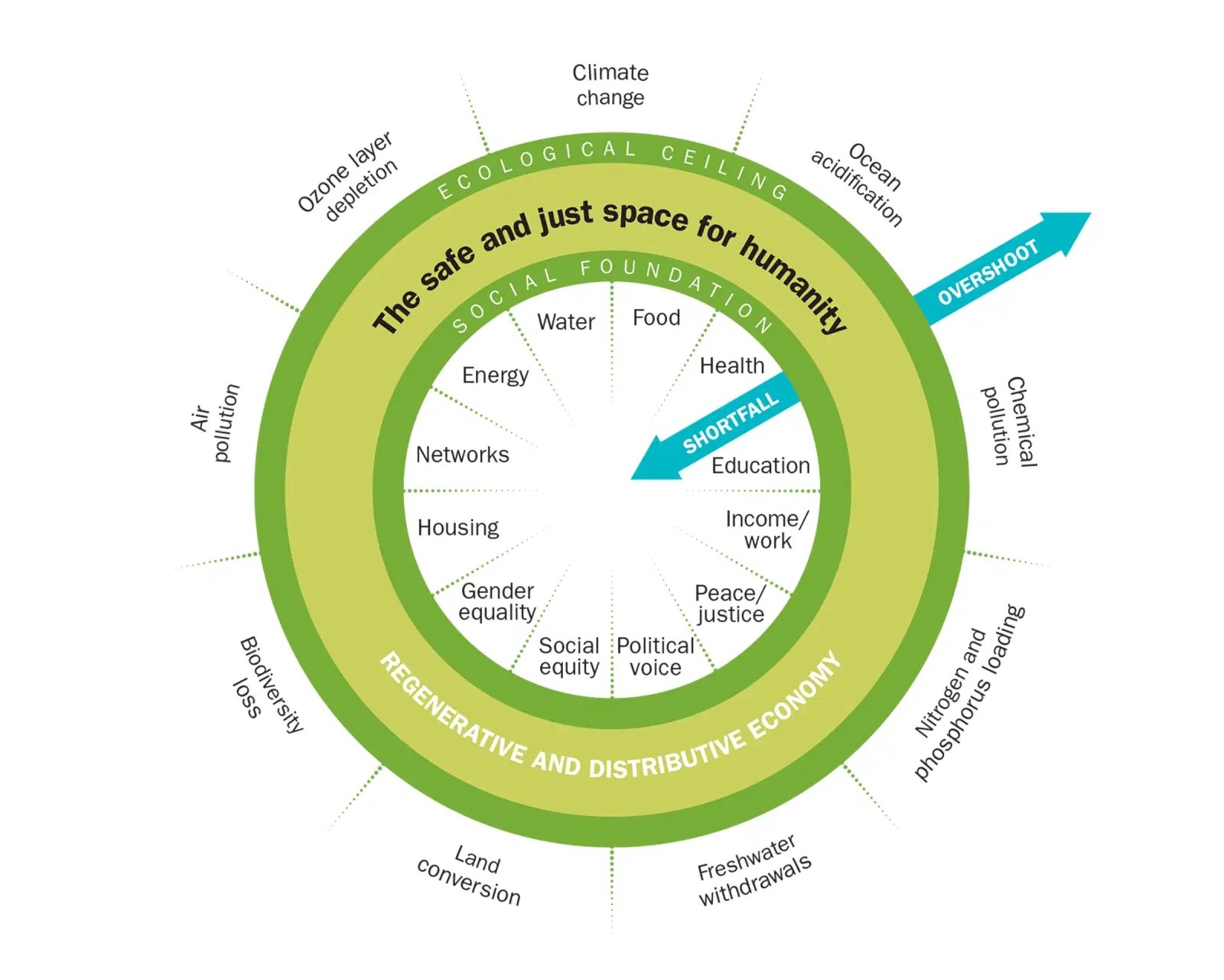
In 1602 in Amsterdam, a merchant began selling shares in the Dutch East India Company. According to some, that was the beginning of Capitalism, and it’s been the dominating economic system since then. Unsurprisingly considering our current pandemic and climate predicament, a growing number of thinkers and organizations are imagining different ways forward.
Everyone knows that in the last decade or so, smartphones have become part of daily life for most of us, and for many it’s become the primary computing experience, ahead of computers or even tablets. If you follow the development of technology more closely however, you might also have noticed that the domain of “mobile” in general has had an even larger impact.
Neal Gorenflo, executive director and co-founder of Shareable, had a very timely experiment planned just before the pandemic hit: a year of living locally.
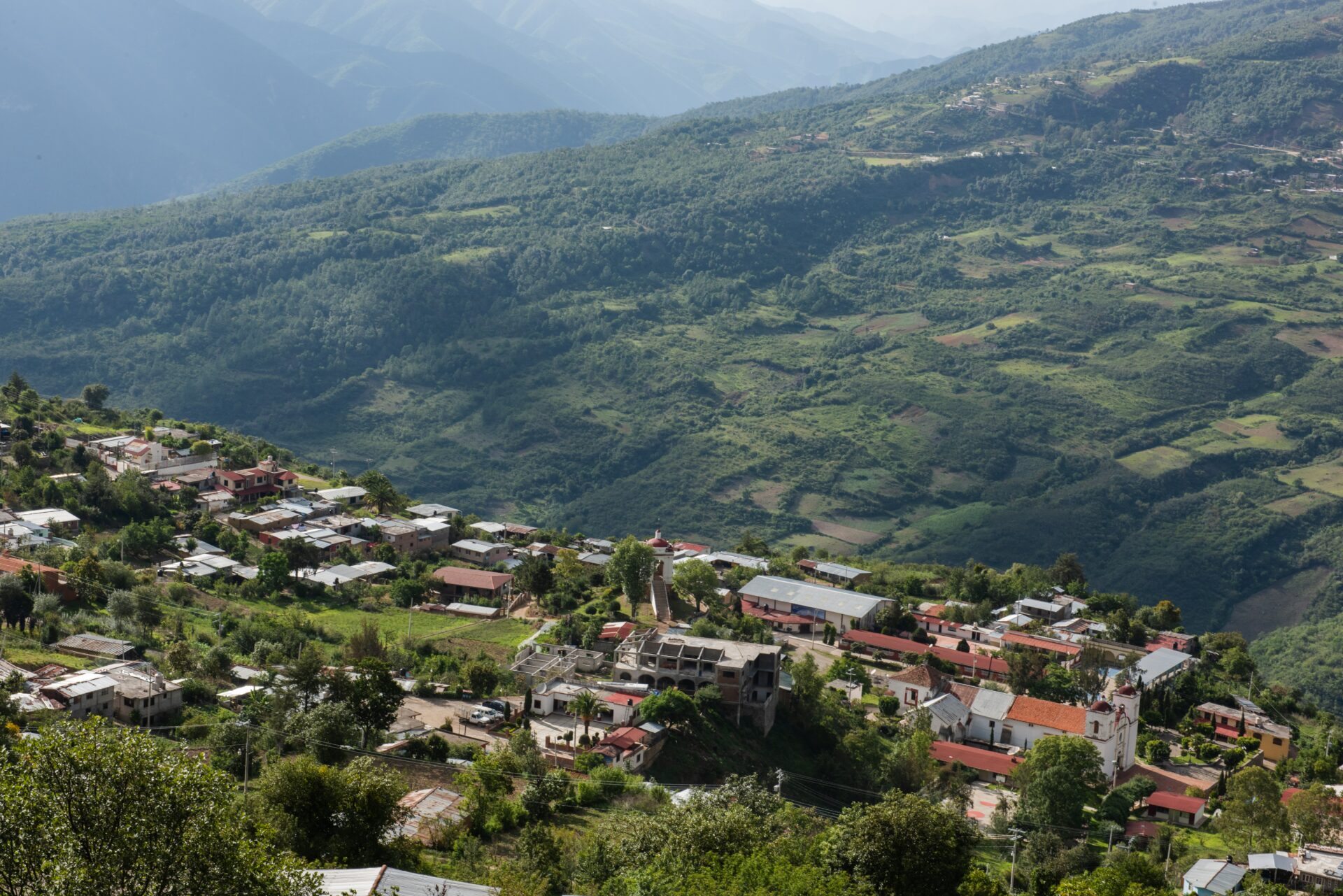
One of the themes we are interested in has to do with “territory,” understanding it, occupying it respectfully and responsibly, and what that might look like in and around a city.