Regenerative by design
We can apply regenerative philosophy to design and ask: how can we put life — human life, the planet, and everything it sustains — at the centre of everything we do?

We can apply regenerative philosophy to design and ask: how can we put life — human life, the planet, and everything it sustains — at the centre of everything we do?
Although this visualization of the accumulation of human-made mass on Earth is not specifically related to cities, one has to recognize that the 549 gigatons of concrete, 65 gigatons of asphalt, the 92 gigatons of bricks, and the 386 gigatons of aggregates are evidently concentrated in large part in cities.
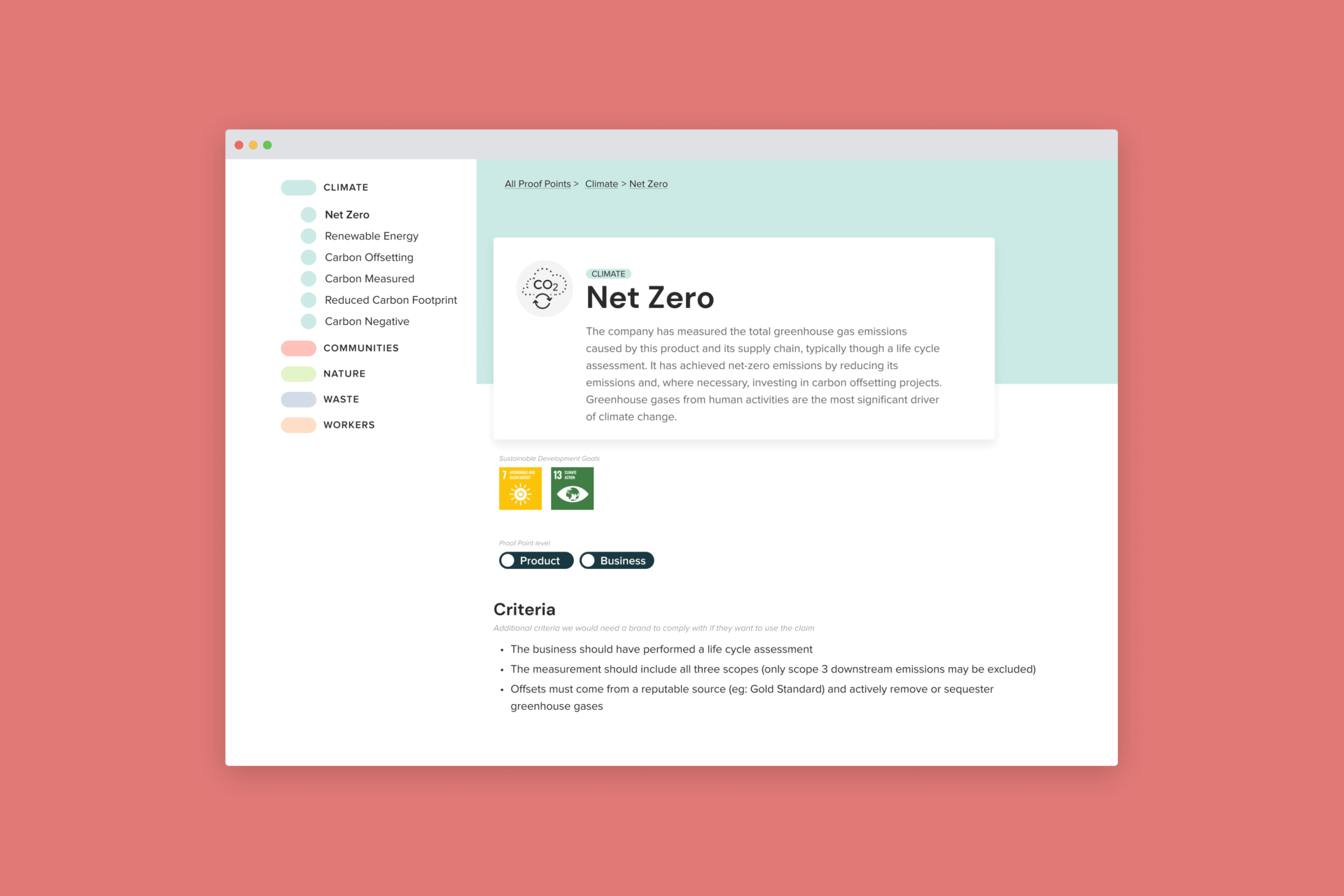
Provenance is quite an interesting organization, they want to help companies to track the provenance of their products and their impact. They recently released an excellent initiative, the open-source Provenance Framework, which is “is made up of 50+ shopper-facing claims spanning 5 focus areas: climate, communities, nature, waste and workers”.
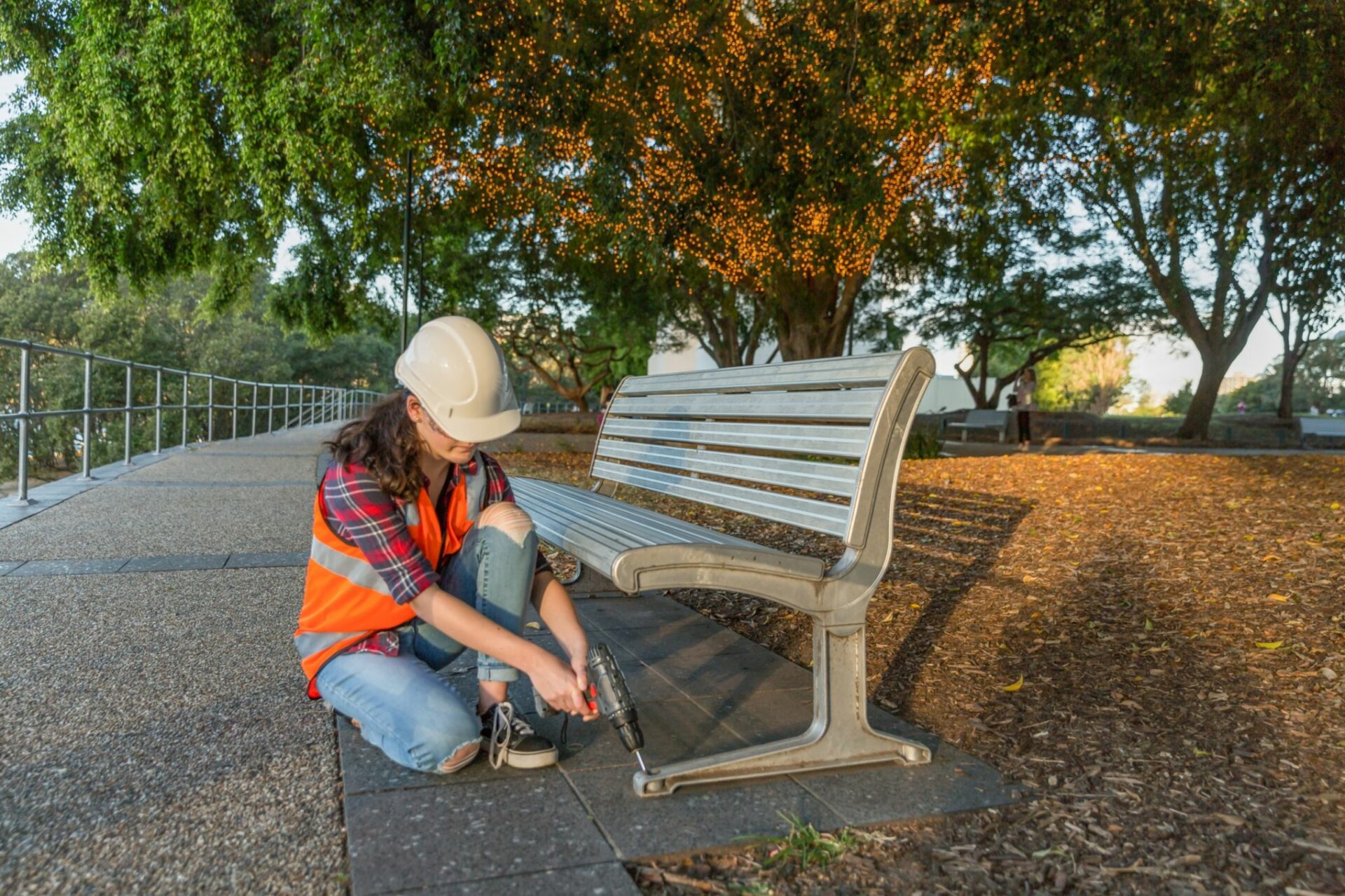
Care and maintenance have been part of many discussions over the last few years, and for good reason. During the pandemic, many realized the importance of essential workers, many of which work in one form of care or another. Even before that, personal care and personal time were gaining importance for a growing number of people, and even though more often than not we refer to them as annoyances or “construction,” what are street work, building renovations, and new infrastructure but maintenance of cities and homes? So it’s no surprise that the concept of care as a driver for city planning is already gaining traction.
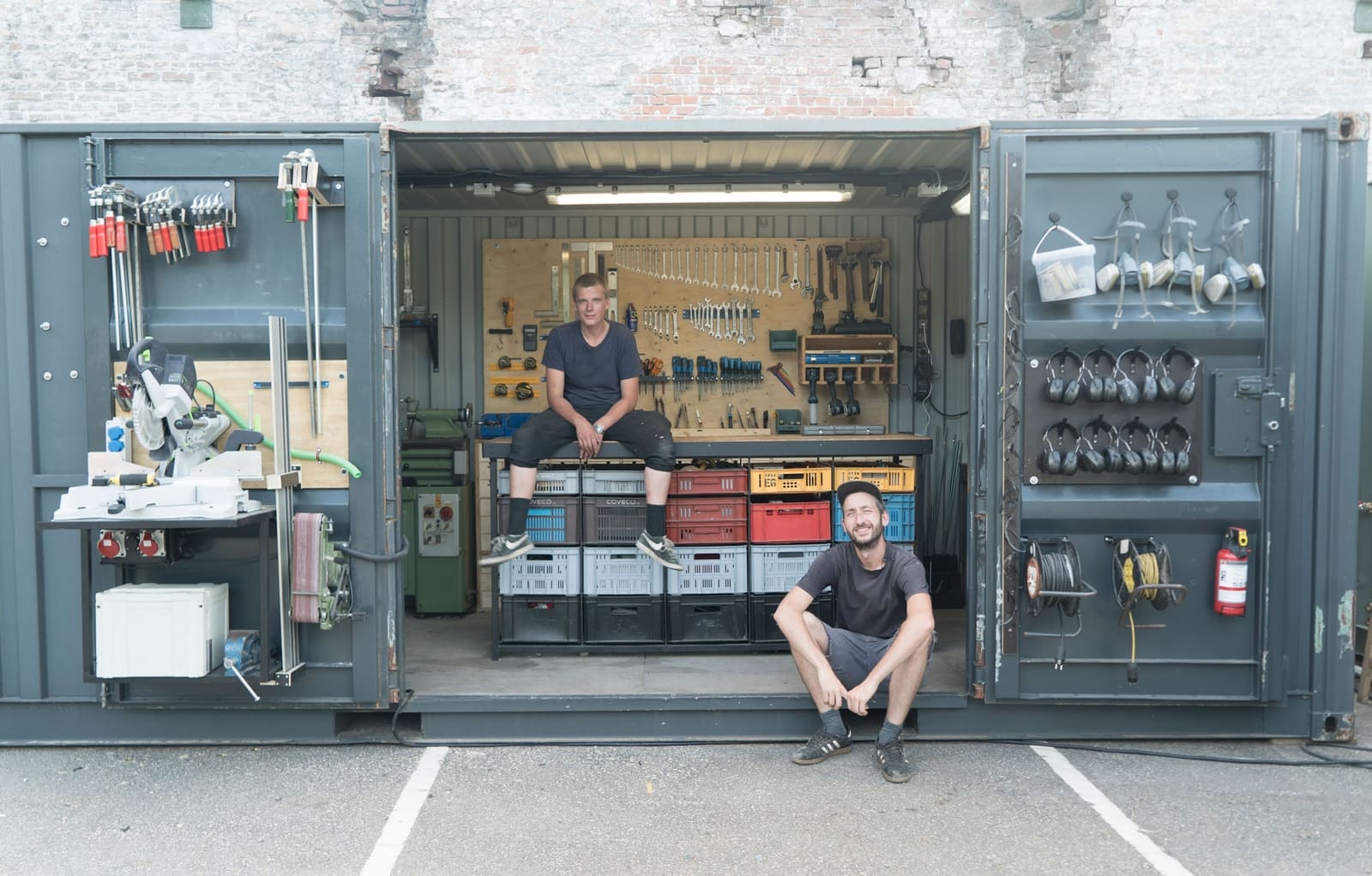
If you’re looking for some hope and inspiration, people working on big problems, and new ways of living more sustainably, clicking through to the One Army website and digging through should deliver on all of that.