
News
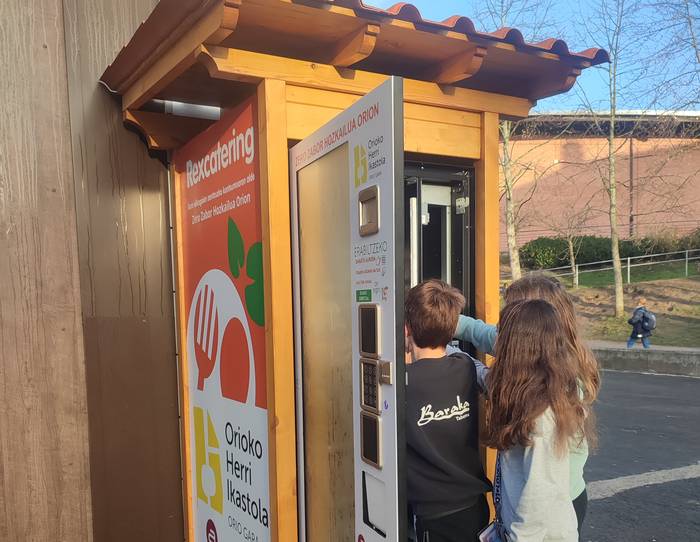
Rescued school meals in vending machines
Each year, one third of the food produced in the world is wasted. Meanwhile, alarming figures keep piling up: biodiversity loss, emissions from the agri-food system, and an ever so slightly earlier “Overshoot Day” —the calendar day when humanity officially starts living beyond the Earth’s ecological capacity to regenerate for that year.
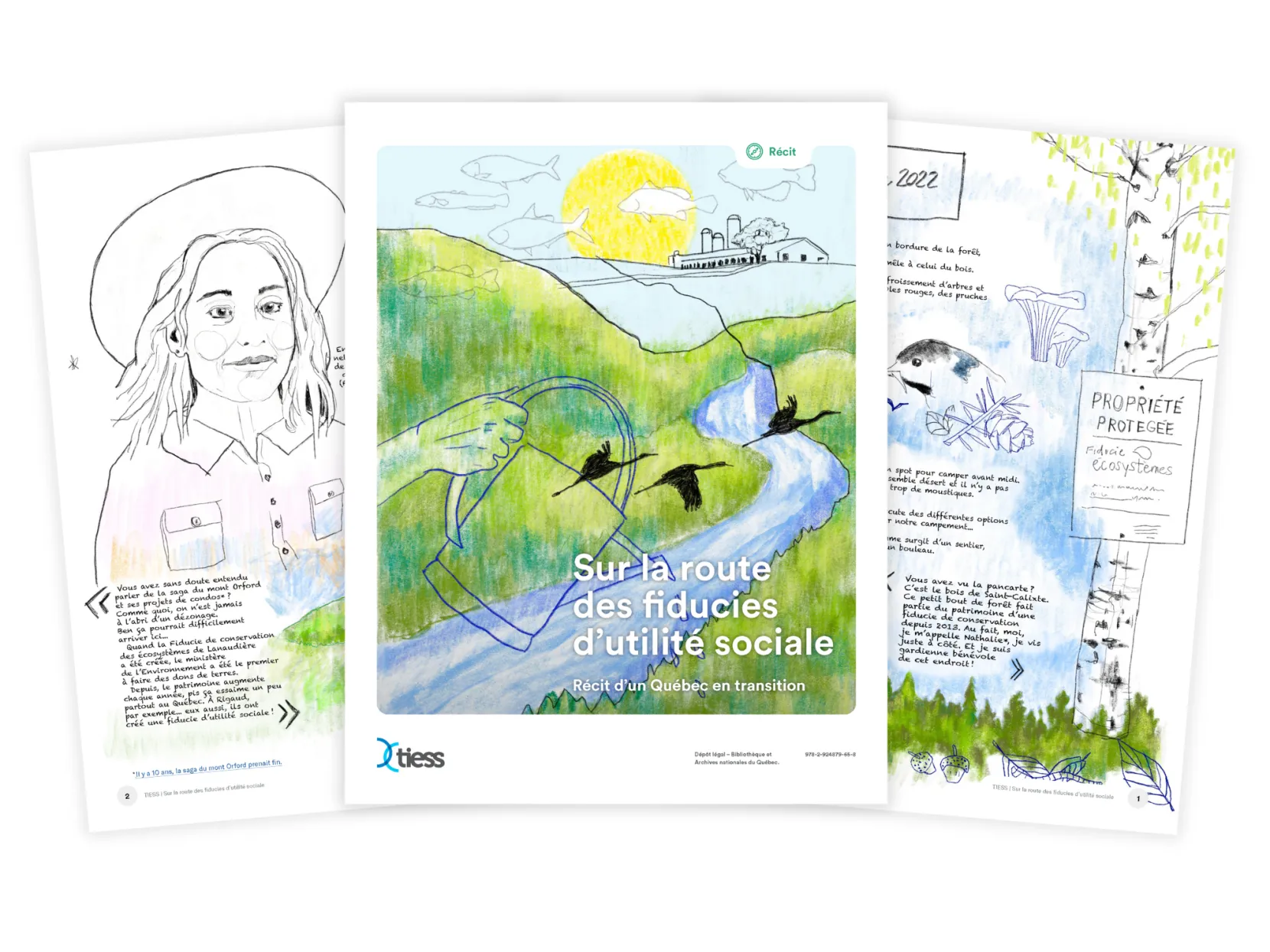
From carsharing to rivers, Québec’s social utility trusts cover them all
Environmental law and Indigenous peoples’ relationship with the world sometimes – fortunately – have more in common than one might expect. “We do not inherit the earth from our ancestors, we borrow it from our children,” says a proverb that reflects well the worldview of many Indigenous traditions, where cooperation and trust between generations and within ecosystems are key to their preservation.
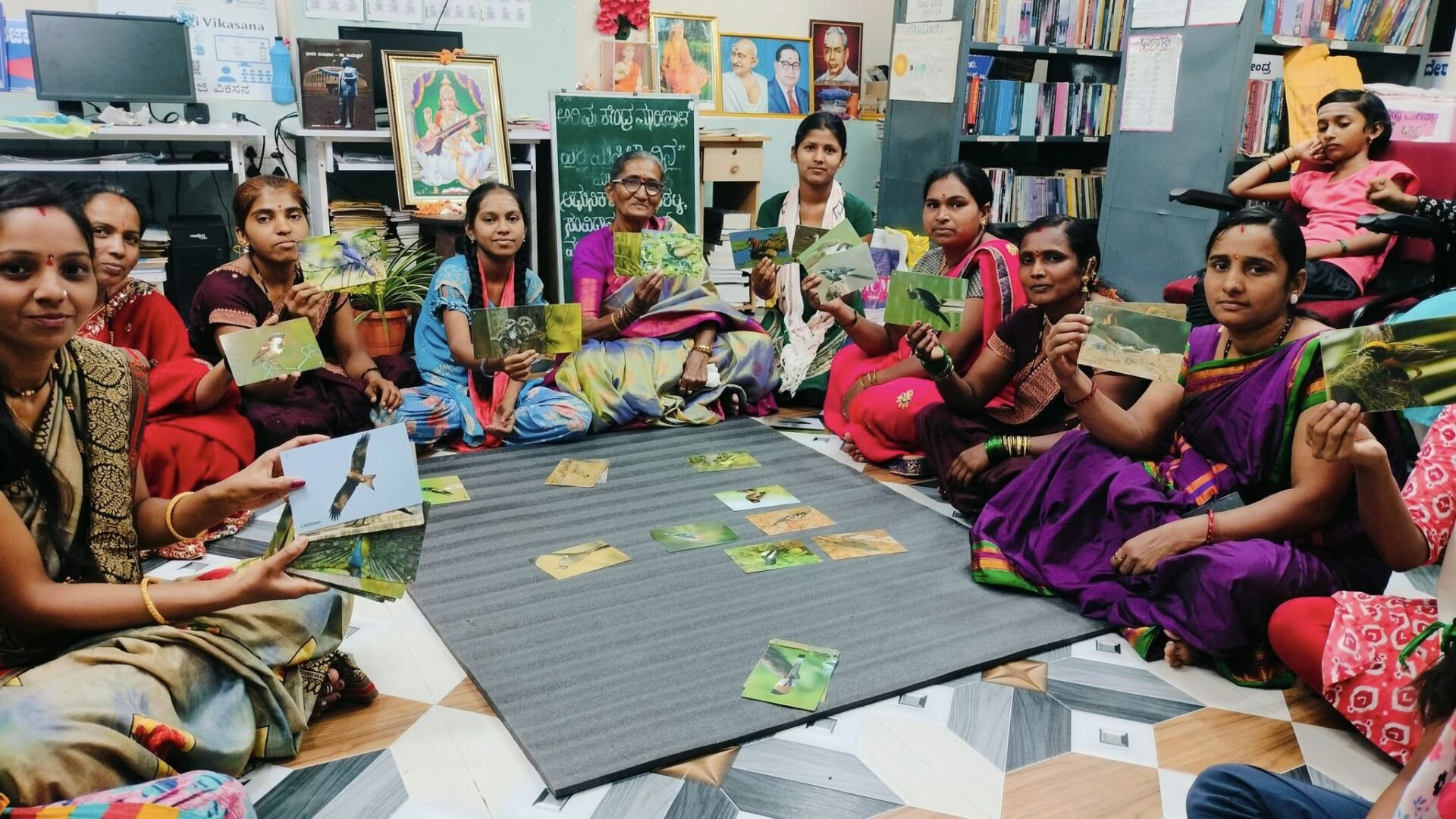
For sustainable cities, think of birds
Les villes sont souvent représentées en vue aérienne — à vol d’oiseau — sur les cartes, mais à quoi ressemblerait en fait l'urbanisme vu par les oiseaux ? La façon dont nous concevons les villes en dit long sur ce (et ceux) que nous valorisons, et les oiseaux sont largement négligés dans l'urbanisme traditionnel: imaginez-vous être un pigeon au milieu de déserts de béton, remplis de verre (trompeur) et de bruit.
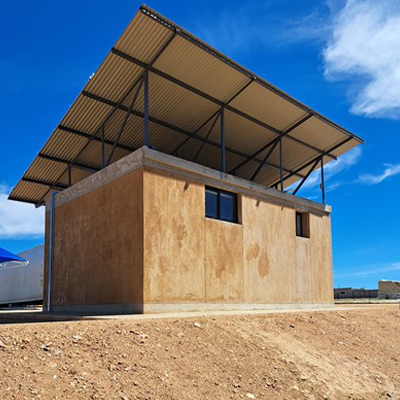
Homes made of fungi (and not just for smurfs)
If I were to ask you about “human-fungi relations”, you might answer that they’re something we eat, cure with, or avoid in damp corners (or on our body, for that matter!). And you’d be right. But there’s another relevant dimension to them: in recent years, fungi have been proving themselves as a source of building materials.
The Fab City Quebec newsletter is a monthly must-read for anyone interested in getting involved in transforming our communities! It is the result of a collaboration between Communautique and Coop Fab Labs Quebec. We will only use your email address to send you the newsletter. By subscribing, you agree to the privacy policy.
Videos
#Fabcitymontreal